Used Mini Excavator Buying Guide: 15 Things to Inspect Before You Pay
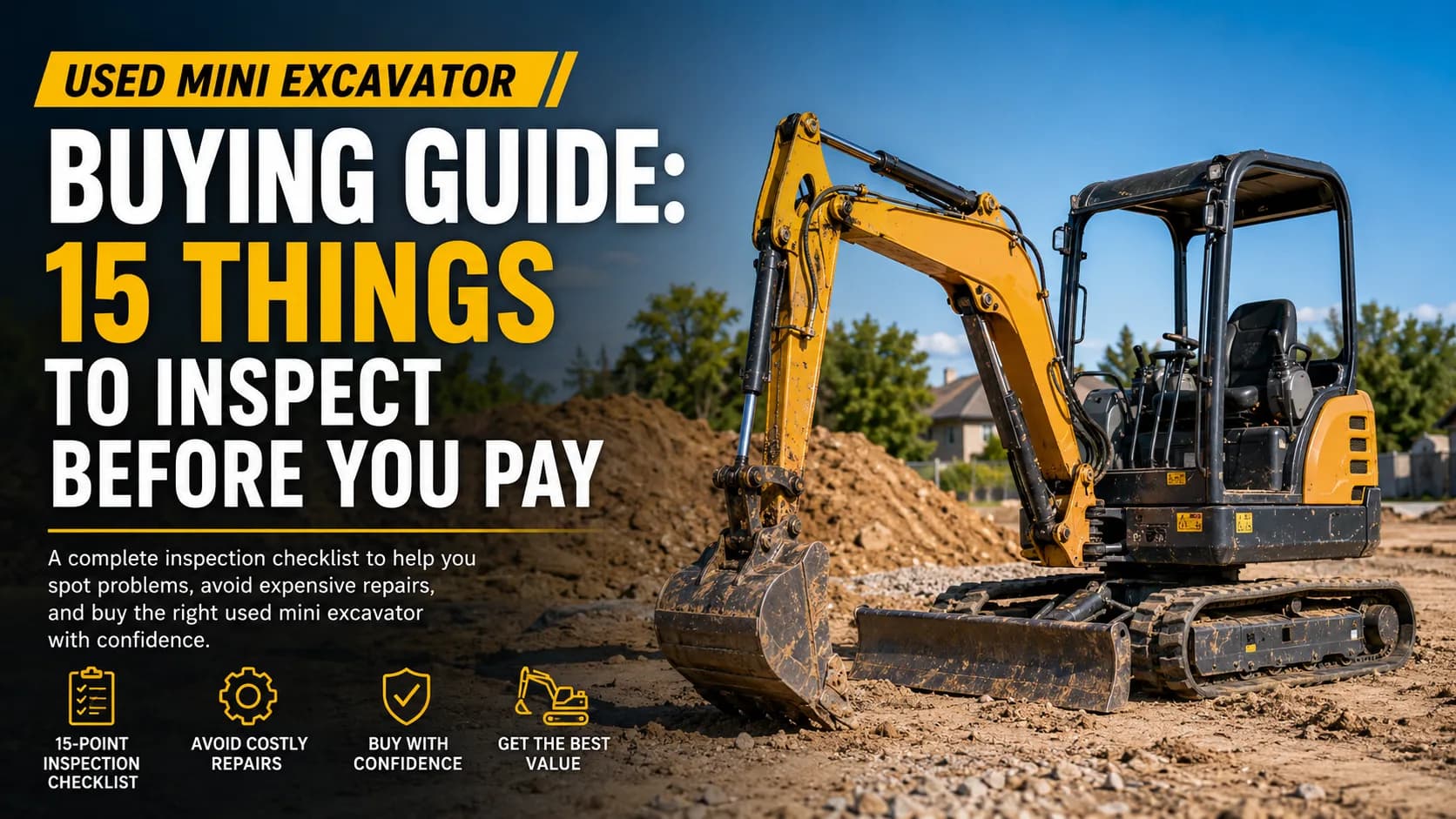
Used Mini Excavator Buying Guide: 15 Things to Inspect Before You Pay
Buying a used mini excavator can be one of the smartest ways to save money while still getting a powerful machine for landscaping, utility work, construction, or property maintenance. A good used mini excavator can handle trenching, grading, digging, demolition, and material handling at a much lower cost than buying new. For many contractors, small business owners, and serious property owners, the used market can offer excellent value.
But there is one big catch.
A used mini excavator can also become an expensive mistake if you buy the wrong machine. A low price may look attractive at first, but hidden problems such as hydraulic leaks, worn pins, undercarriage damage, or engine trouble can quickly turn a bargain into a repair bill. That is why inspecting the machine properly before paying is so important.
This guide walks you through the most important things to check before buying a used mini excavator. Whether you are buying from a dealer, auction, online marketplace, or private seller, these inspection points can help you spot trouble early and make a better decision.
Need compact equipment or support? Request a quote or Visit American Excavators.

Why Buy a Used Mini Excavator?
The biggest reason many buyers choose used equipment is cost. A new mini excavator can require a large investment, especially if you want a trusted brand or a machine with more features. A used machine often costs much less, which makes ownership more realistic for smaller operations and independent buyers.
A used mini excavator also avoids the biggest depreciation hit that happens with brand-new equipment. In many cases, you can buy a machine that is still very capable, use it for years, and retain a good portion of its value if you decide to resell later.
Another advantage is availability. Used machines are usually ready to buy and use right away, while new equipment may involve waiting for stock, shipping, or production schedules. If you need a machine quickly for an upcoming project, the used market can be a strong option.
Still, the benefits only matter if the machine is in good shape. That is why inspection comes first.
Before You Start: Know What You Need
Before inspecting any machine, be clear about your actual needs. Think about the kind of work you will do most often. Are you trenching for utilities, landscaping in backyards, digging footings, clearing land, or using special attachments like augers or breakers?
You should also think about the machine size you need, the digging depth required, whether access is tight or open, if you need auxiliary hydraulics for attachments, how often the machine will be used, and your total budget including repairs and transport.
Once you know what kind of mini excavator fits your work, it becomes much easier to evaluate whether a specific used machine is worth buying.
15 Things to Inspect Before You Pay
Before you pay for any used machine, take time to inspect it carefully. You can also compare your inspection process with a daily mini excavator inspection guide so you understand what should normally be checked before operation.
1. Overall Appearance
Start with a full walk-around. A used mini excavator will naturally show wear, but you want to separate normal wear from signs of abuse. Look for major dents, bent panels, cracked covers, missing parts, and signs that the machine has been roughly treated.
Fresh paint can sometimes be a warning sign. It may simply be cosmetic, but it can also hide damage, rust, or poor repairs. Look closely around welds, panels, pivot areas, and high-stress points to see whether anything looks covered up or recently repaired.
2. Hour Meter
Hours matter, but they do not tell the full story by themselves. A well-maintained machine with higher hours may be a better buy than a neglected machine with fewer hours.
Check whether the condition of the machine seems consistent with the displayed hours. If the excavator shows low hours but the controls, pedals, seat, bucket linkage, and pins look heavily worn, the meter may not tell the full truth.
The hour meter should be one clue, not the only reason you buy. Always compare the hours with the machine’s actual condition, service history, and how it performs during testing.

3. Maintenance Records
A seller who can provide service history gives you much more confidence. Look for records showing oil changes, filter replacements, hydraulic service, track maintenance, and routine inspections.
A machine with proper documentation is usually a safer buy than one with no history at all. Maintenance records show whether the owner cared for the machine or simply used it until problems appeared.
You can also compare any issues you notice with a mini excavator troubleshooting guide to understand whether they may point to deeper problems.
4. Engine Start-Up
Try to inspect the machine when the engine is cold. A cold start can reveal more than a warm one. The engine should start without excessive cranking, hard starting, or strange noises.
Listen for knocking, uneven running, rattling, or rough idle. Watch for smoke. A little smoke during a cold start is not always a problem, but ongoing white, blue, or heavy black smoke can point to bigger engine issues.
Let the engine run long enough to warm up. A machine may start fine but reveal problems once it reaches operating temperature.
5. Engine Leaks and Fluids
Open the engine compartment and check for oil leaks, coolant leaks, fuel seepage, cracked hoses, loose clamps, and signs of overheating. Look at fluid levels and fluid condition. Dirty, low, or neglected fluids may suggest poor maintenance.
Pay attention to oil buildup around seals or fittings. Also check whether the engine bay looks unusually clean. A freshly washed compartment may simply mean the seller cleaned it, but it can also hide leaks.
Fluids tell a story. Clean oil, proper coolant, and well-maintained filters usually suggest better care.
6. Hydraulic System
The hydraulic system is one of the most important parts of any excavator. It powers the boom, arm, bucket, blade, swing, travel, and many attachments. Hydraulic repairs can be expensive, so this area deserves close inspection.
Check hydraulic hoses, fittings, and cylinders for leaks, cracks, rubbing, patch repairs, or wet areas. Even small leaks matter because they can indicate worn seals, damaged hoses, or pressure-related issues.
Operate the hydraulic functions and watch how the machine responds. Slow movement, weak power, jerky operation, or whining sounds can point to hydraulic problems.
7. Hydraulic Cylinder Rods
Inspect the chrome rods on the boom, arm, bucket, and blade cylinders. They should be smooth, clean, and free from damage. Pitting, rust, scoring, or scratches can damage seals and lead to leaks.
Damaged rods are a major warning sign because they affect both performance and repair cost. Replacing or repairing cylinder rods can become expensive, especially if multiple cylinders are affected.
Also look around the seals while moving the cylinders. If oil appears as the rod extends or retracts, the seal may already be failing.
8. Boom and Arm Structure
Look closely at the boom and arm for cracks, rewelds, bends, or signs of stress. Pay special attention to pivot areas, cylinder mounts, bucket linkage points, and the underside of the arm.
A professional repair is not always a deal breaker, but poor welding or obvious structural damage should make you extremely cautious. Structural damage can reduce strength, affect alignment, and lead to bigger failures under load.
If the boom or arm looks bent, twisted, or heavily repaired, consider walking away or hiring a mechanic to inspect it before buying.
9. Pins and Bushings
Worn pins and bushings are very common on used excavators. Some wear is expected, but excessive play can make the machine sloppy and reduce digging accuracy.
Move the bucket, arm, and boom gently while watching each joint. Too much movement at pivot points often means the machine has been worked hard and may need repairs soon.
Listen for clanking and watch for loose movement when changing direction. Replacing pins and bushings can be manageable if the wear is minor, but severe wear can damage surrounding structures and increase repair costs.
10. Bucket Condition
Check the bucket for excessive wear, cracks, missing teeth, worn cutting edges, bent side plates, or repair patches. A worn cutting edge is normal on an older machine, but major damage tells you a lot about how the excavator was used.
Also check the bucket linkage for looseness and uneven wear. If the bucket moves too much at the connection points, the linkage may need attention.
A damaged bucket is not always a reason to reject the machine, but it should affect the price. Bucket teeth, cutting edges, and pins may need replacement if they are worn out.
11. Undercarriage and Tracks
The undercarriage is one of the most expensive areas to repair on a mini excavator. Inspect the tracks carefully. On rubber tracks, look for cuts, missing chunks, exposed cables, deep cracking, uneven wear, or loose tension.
Check the sprockets, rollers, and idlers as well. Excessive wear here can mean a costly replacement is coming. A machine may seem affordable until undercarriage repairs are added to the true cost.
Drive the machine and listen for unusual sounds from the track system. A good undercarriage should move smoothly without grinding, popping, or heavy vibration.
12. Travel Motors and Drive Performance
Drive the machine forward and backward. It should track straight and move smoothly. Test both low and high travel speed if the machine has multiple speed settings.
Listen for unusual noises from the travel motors or final drives. A weak side, grinding sound, jerky travel, or poor response may signal expensive drive system issues.
Travel motors and final drives can be costly to repair, so do not ignore weak movement. If one side feels stronger than the other, ask more questions and inspect deeper before buying.
13. Swing Function
Rotate the upper structure in both directions. The swing should feel smooth and controlled. Listen for grinding, popping, knocking, or excessive noise.
Too much play in the swing system can point to wear in the swing bearing or related components. That type of repair is often costly and time-consuming.
Test whether the machine stops smoothly when you release the swing control. Rough stopping or drifting can also suggest problems.
14. Cab, Controls, and Electrical System
Sit in the operator’s seat and test everything you can. Check joysticks, pedals, switches, lights, horn, gauges, warning indicators, screen displays, safety lockout, and any accessory controls.
Make sure the seatbelt works and the cab or canopy structure is in solid condition. If the machine has an enclosed cab, check the door, glass, heater, air conditioning, wipers, and interior condition.
Non-working controls or electrical issues may seem minor, but electrical problems can be frustrating and time-consuming to fix. A machine with many small electrical issues may have deeper wiring problems.

15. Full Operational Test
Do not buy a used mini excavator without operating it. Run the boom, arm, bucket, swing, blade, and travel functions through their full range. Let the machine warm up and see how it behaves under real use.
If possible, do a small digging test. A machine can look decent while parked but reveal major issues once it starts working under pressure.
Watch for weak hydraulics, hesitation, overheating, leaks, warning lights, unusual noises, or functions that feel slow or uneven. A full test is one of the best ways to protect yourself before paying.
Where Buyers Commonly Make Mistakes
One of the biggest mistakes buyers make is focusing only on price. A very cheap excavator may end up costing much more after repairs. Another common mistake is buying too quickly without testing the machine or checking its history.
Some buyers also ignore transport, attachment needs, or local parts availability. Even a good machine becomes a problem if you cannot get service or parts when needed.
The smartest approach is to think about the total ownership cost, not just the purchase price. A machine that costs more upfront but has better condition and service records may be the better deal.
For more buying guidance, you can also read this guide: How to buy a mini excavator?
Dealer vs Private Seller vs Auction
Where you buy also matters.
A dealer may charge more, but often offers better machine preparation, some service history, and sometimes limited support. This can give buyers more confidence, especially if they are not experienced with used equipment.
A private seller may offer a lower price, but you need to inspect more carefully and verify the story behind the machine yourself. Ask why they are selling, how the machine was used, and whether they have service records.
An auction can offer strong deals, but many machines are sold as-is. That means you carry more risk and often have less time to inspect. If you buy at auction, know your budget and avoid getting caught up in bidding pressure.
Each option can work, but the inspection process becomes even more important when protections are limited.
Should You Hire a Mechanic?
If you are not confident inspecting heavy equipment yourself, hiring a mechanic or equipment inspector is usually money well spent. A professional inspection can help uncover hidden issues that are easy to miss and may save you thousands of dollars later.
This is especially smart if the machine is expensive, has high hours, has limited service history, or is being sold as-is.
A mechanic can check the engine, hydraulics, electrical system, undercarriage, structural condition, and overall performance more thoroughly. Even if the inspection costs money upfront, it can protect you from a much larger mistake.
Final Thoughts
A used mini excavator can be an excellent investment when you choose carefully. The key is not just finding a low price, but finding a machine that is mechanically sound, properly maintained, and suited to the kind of work you need it to do.
Take your time. Inspect the machine fully. Test every major function. Check the engine, hydraulics, undercarriage, pins, structure, and records before making a final decision.
A careful inspection now can prevent major repair costs later. When you buy with patience and a checklist, a used mini excavator can deliver real value and dependable performance for years.
For compact equipment, mini excavators, and jobsite support, Request a quote or Visit American Excavators.
Frequently Asked Questions
1. Is buying a used mini excavator a good idea?
Yes, buying a used mini excavator can be a very good idea if the machine is inspected properly and priced fairly. It can save a lot of money compared to buying new, but only if you avoid machines with serious hidden problems.
2. How many hours is too many on a used mini excavator?
There is no single number that applies to every machine. In general, condition and maintenance matter more than hours alone. A well-maintained excavator with higher hours can still be a better buy than a poorly maintained machine with fewer hours.
3. What is the most important part to inspect on a used mini excavator?
There is no single part that matters most, but the engine, hydraulic system, undercarriage, and pins and bushings are some of the most important and costly areas to inspect.
4. Are hydraulic leaks a big problem on a used mini excavator?
Yes. Even small hydraulic leaks can become expensive if they point to worn seals, damaged hoses, or deeper system issues. Hydraulic repairs should never be ignored during inspection.
5. Should I buy from a dealer or a private seller?
Both can work. Dealers often offer more confidence and support, while private sellers may offer a lower price. The right choice depends on the machine’s condition, history, and how carefully it has been inspected.
6. Is it worth getting a mechanic to inspect a used excavator?
Yes, especially if you are not experienced with heavy equipment or if the machine is a major investment. A mechanic can spot issues that may not be obvious during a basic walk-around.
7. What should I avoid when buying a used mini excavator?
Avoid rushing, skipping the test run, ignoring maintenance history, and focusing only on price. A cheap machine with major repair needs is rarely a good deal in the long run.
Need Equipment Help?
Turn the article into a buying decision with product guidance, attachment fit checks, and quote support.